
Spring Planning for Septic System Installation Projects
Spring is the perfect time for property owners to plan septic installations with trusted local contractors who ensure reliable, long-lasting systems for seasonal needs.
Spring is often considered an ideal time to plan for septic installation projects because the season offers favorable weather conditions for excavation and construction work. As the ground begins to thaw and dry out after winter, it becomes easier for service providers to access the installation site and work efficiently. Additionally, spring provides property owners with an opportunity to prepare their land for upcoming seasons, ensuring that any necessary groundwork is completed before the summer months when outdoor activities and landscaping may be prioritized.
Septic installation services typically encompass several key steps, including site assessment, system design, excavation, and the placement of the septic tank and drain field components. Local contractors often evaluate the property’s soil conditions, topography, and drainage patterns to determine the most suitable system type and layout. Proper installation ensures the septic system functions effectively, minimizing the risk of future issues such as backups or system failure. Many service providers also offer guidance on permitting requirements and help property owners understand maintenance considerations for long-term performance.
When comparing local options for septic installation, property owners can consider factors such as experience, reputation, and the range of services offered. It’s helpful to review credentials, ask for references, and inquire about the types of systems each contractor specializes in. Gathering information about their familiarity with local soil conditions and regulations can also aid in making an informed decision. By exploring multiple service providers, property owners can identify those who best meet their project needs and ensure the installation aligns with local standards and best practices.
Spring is a great time to plan septic installation by comparing local contractors and outlining your project priorities.
- Septic System Planning - Spring is an ideal time to assess and plan for septic system installation needs.
- Site Evaluation - Local contractors can evaluate property conditions to determine suitable locations for septic systems.
- System Design Options - Service providers can recommend appropriate septic system designs based on property and usage.
- Permitting Guidance - Experienced local pros can assist with understanding local regulations and permit requirements.
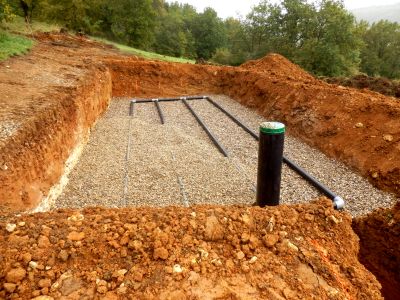
Before comparing options, clearly describe your septic installation project to help local contractors recommend the best solutions.
- Assess site suitability - ensure the installation area has proper drainage and adequate space for the septic system.
- Verify soil conditions - evaluate soil permeability and stability to support the septic system’s foundation.
- Review local regulations - confirm compliance with regional codes and obtain necessary permits through local service providers.
- Choose appropriate system type - consider the size and capacity needed for household wastewater management with local contractors.
- Plan for proper venting and access - ensure the system design includes ventilation and access points for maintenance.
- Select experienced installers - work with trusted local contractors who specialize in septic system installation.
Use this as inspiration to refine your septic installation scope with trusted local contractors.
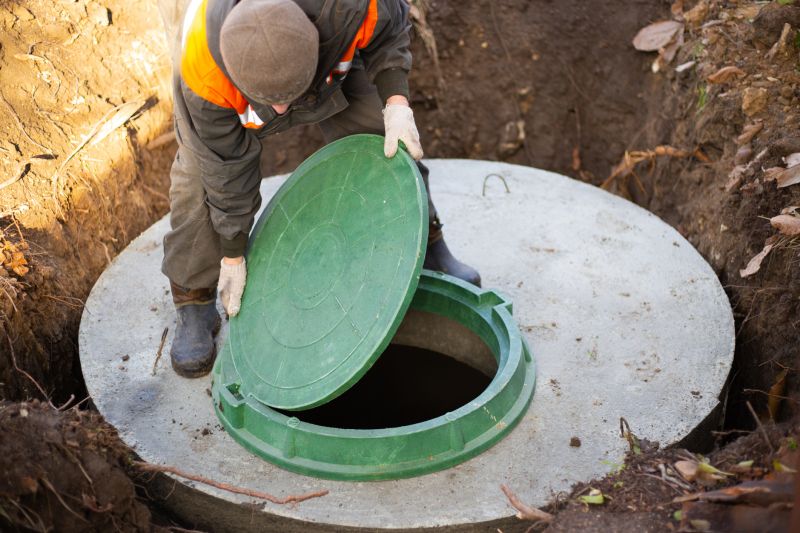
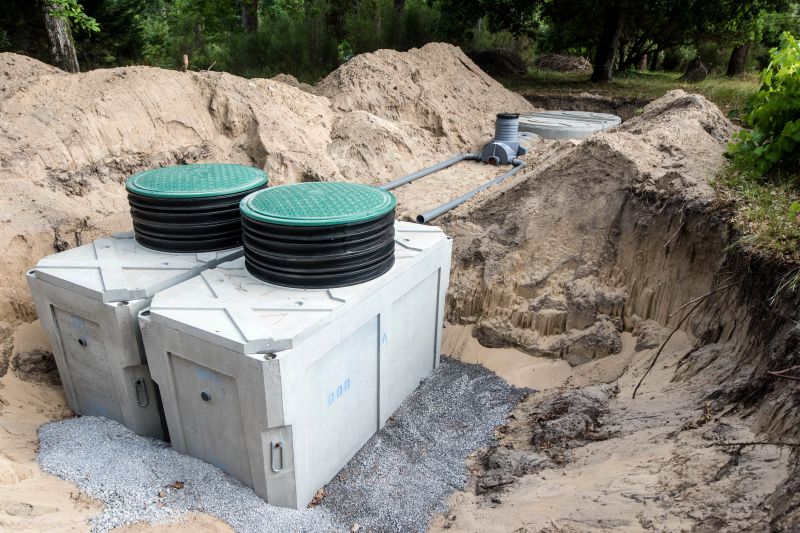
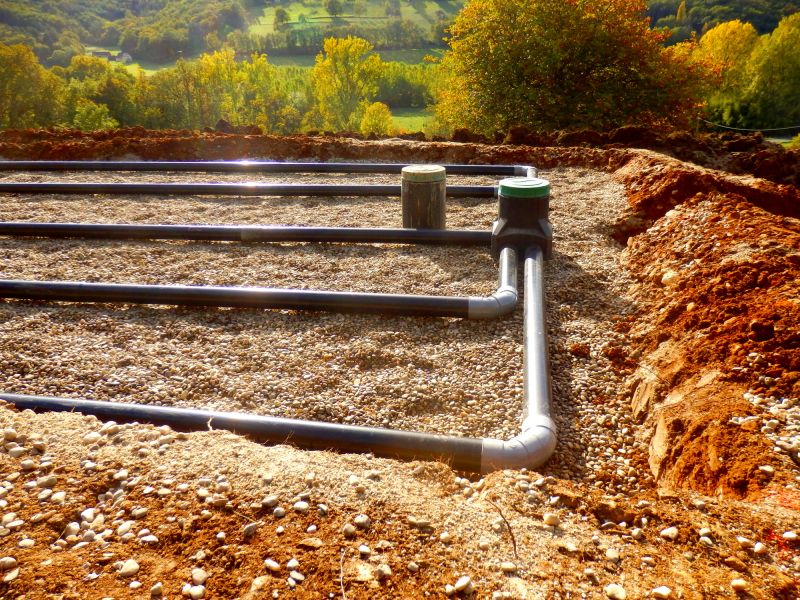
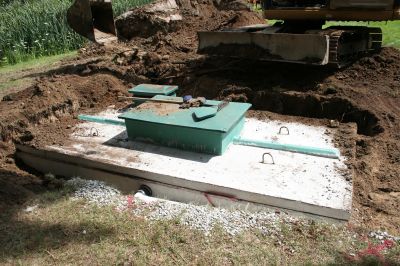
Spring is a great time to plan septic installation by setting priorities and comparing local service providers.
- Septic System Inspection - Spring is an ideal time to have local contractors inspect existing septic systems to ensure they are functioning properly after winter.
- Septic System Design Planning - Planning and designing a new septic system in spring allows for optimal site assessment and preparation before warmer weather.
- Septic Tank Pumping and Cleaning - Scheduling septic tank pumping in spring helps maintain system efficiency and prevents issues during the upcoming seasons.
- Drain Field Evaluation - Evaluating and repairing drain fields in spring can improve soil absorption and prevent future system failures.
- Septic System Replacement - Spring offers a practical window for replacing aging or failing septic systems with the assistance of experienced local service providers.
Use this scope builder to compare septic installation services across local contractors, ensuring consistency in project expectations.
- Site Assessment - Define the property's soil type, topography, and existing infrastructure to determine suitable septic system options.
- Permitting Requirements - Identify local regulations and permits necessary for septic installation to ensure compliance.
- Design Specifications - Establish system capacity, layout, and components based on property size and usage needs.
- Installation Guidelines - Outline proper procedures for trenching, tank placement, and connection to ensure proper function.
- Inspection Procedures - Determine the steps for verifying installation quality and adherence to code standards.
When selecting contractors for septic installation during the spring season, it is helpful to consider their experience with similar projects. Homeowners should look for service providers who have a proven track record of completing septic system installations in environments comparable to their own property. This experience can indicate familiarity with seasonal challenges, soil conditions, and local regulations, which can contribute to a smoother installation process. Evaluating a contractor’s background through project portfolios or references can provide insights into their expertise and reliability for spring-specific projects.
Clear communication about the scope of work is essential when comparing local contractors. Homeowners should seek providers who can articulate a detailed description of the entire septic installation process, including site assessment, system design, and installation steps. A well-defined scope helps ensure that everyone’s expectations are aligned and reduces the risk of misunderstandings. Service providers who can offer a comprehensive outline of the work involved demonstrate professionalism and transparency, making it easier to evaluate their suitability for the project.
Work planning considerations are particularly important during the spring season, as weather and soil conditions can impact installation schedules. Homeowners should ask potential contractors how they plan to accommodate seasonal factors, such as rain or fluctuating temperatures, which could affect excavation and installation timelines. Experienced local contractors will have strategies for managing these variables and can advise on the best timing for completing the project. Understanding their planning approach can help homeowners assess whether a contractor’s methods align with their seasonal goals and site conditions.
Evaluating options among local service providers involves more than just reviews or reputation; it requires assessing their approach to project management and communication. Homeowners can compare how contractors plan to coordinate the work, what materials they recommend, and how they address potential challenges specific to spring projects. Asking about their experience with similar sites and their problem-solving strategies can provide insight into their capability to deliver a successful installation. By focusing on these factors, homeowners can identify the service providers best equipped to handle their septic system needs during the spring season.
Request written scope details from local contractors to ensure clarity and consistency for your spring septic installation.
- Septic Installation Scope Comparison - What specific services and installation options do different local contractors offer?
- Provider Experience Differentiation - How do local service providers' expertise and project approaches vary for septic system installations?
- Material and Equipment Choices - What types of septic system materials and equipment do local contractors typically recommend and include?
- Service Coverage and Support - How do local pros differ in the scope of services provided during and after septic installation?
- Customization and Planning Options - What customization options and planning support do local service providers offer for spring septic system projects?
What is involved in septic installation? Septic installation typically includes site evaluation, system design, excavation, and the installation of septic tanks and drain fields by experienced service providers in the area.
When is the best time for septic installation in spring? Spring is often a good time for septic installation as the ground begins to thaw, making excavation and installation easier for local contractors.
How do I prepare my property for septic system installation? Preparation may involve clearing the installation area, ensuring proper access for equipment, and coordinating with local service providers to assess site conditions.
What types of septic systems are available for spring projects? There are various options, including traditional gravity systems, pressure distribution systems, and alternative designs, which local contractors can help determine based on site conditions.
Are there seasonal considerations for septic system installation? Yes, spring’s milder weather and thawed ground can facilitate installation, but it’s important to work with local pros familiar with seasonal planning for best results.
How can I find local contractors for septic installation? This site can help connect with trusted local service providers experienced in septic system installation to assist with planning and execution during spring.
This spring is an ideal time to consider septic installation projects, whether you're updating an existing system or planning a new setup. Visitors have learned about the essential steps involved, the importance of proper planning, and how experienced local contractors can help ensure the job is done correctly. By exploring options through the quote form, you can easily compare local service providers and find the right fit for your septic needs.
Utilizing the quote form allows homeowners to connect with local contractors who specialize in septic installation services. This process makes it simple to gather information, compare options, and identify service providers best suited to your project. Taking the time to explore local choices can help support informed decisions as you plan your spring upgrades or new installations.
Providing clear details about your septic installation project helps local contractors understand your needs and offer accurate assistance.
- Septic System Design - details about the layout and capacity requirements for the septic system.
- Site Preparation - information about the land conditions and any necessary groundwork before installation.
- Installation Experience - insights into the types of septic systems and installation methods used by local contractors.
- Permitting and Regulations - understanding of local codes and permits needed for septic system installation.