
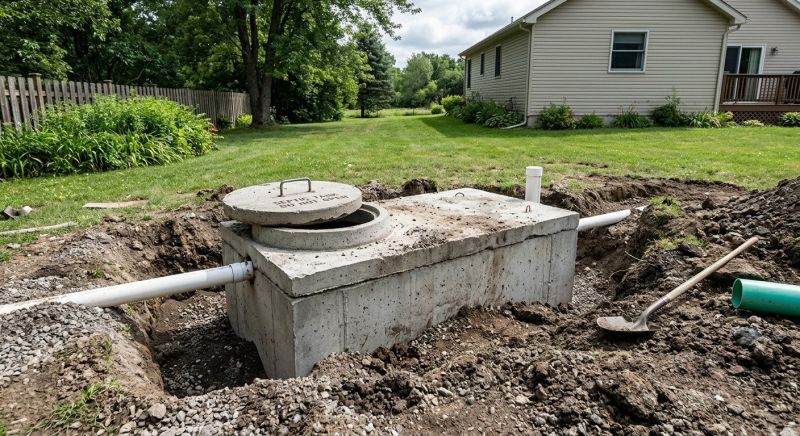
Septic Tank Replacement in Denver, CO
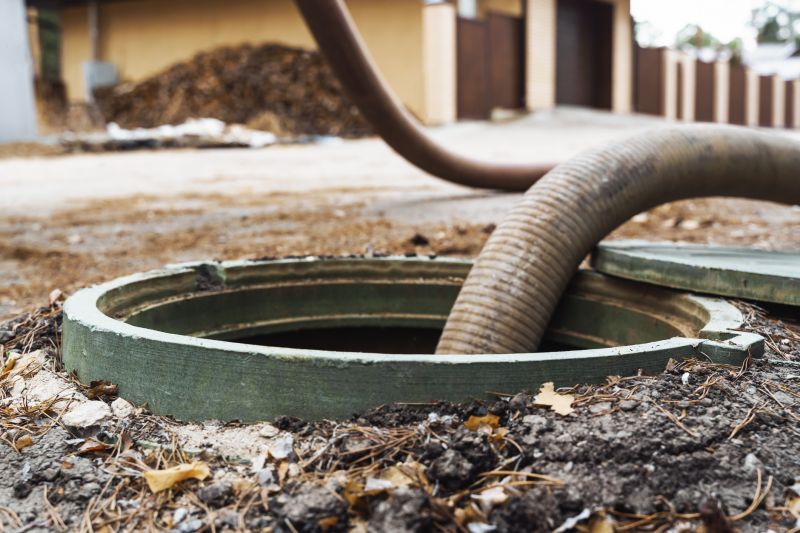
Septic tank replacement services involve removing an existing septic system and installing a new tank to ensure proper wastewater management for residential properties. This service is typically sought when a septic tank has failed, become damaged, or is no longer functioning efficiently due to age or environmental factors. Projects can include replacing tanks of various sizes, upgrading to newer models, or installing systems suited for expanded property use. Homeowners often want to understand the scope of work involved, the types of tanks available, and the potential impact on their property during installation.
Before requesting septic tank replacement, property owners usually seek information about the condition of their current system, including signs of failure such as backups, odors, or standing water. They may also inquire about the permitting process, excavation requirements, and the overall timeline for installation. Understanding the differences between tank materials, such as concrete, plastic, or fiberglass, and how each suits their property’s needs can help in making informed decisions. Proper planning and knowledge about the project scope can ensure a smooth replacement process that aligns with property requirements.
Many property owners in Denver, CO look into Septic Tank Replacement for repairs, replacements, upgrades, and appearance-related improvements.
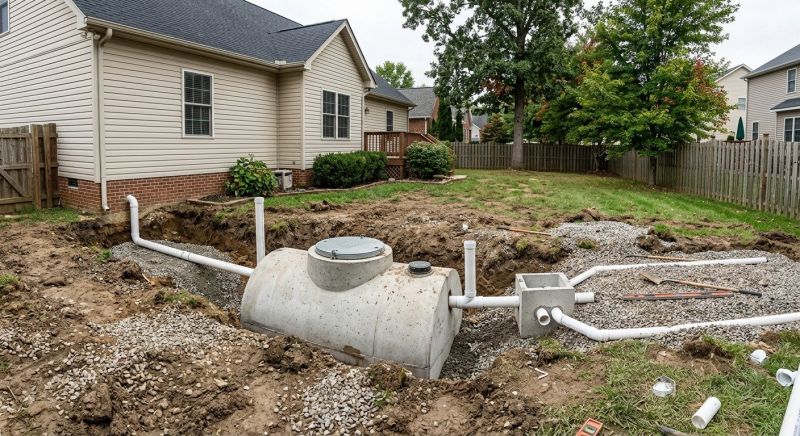
Septic Tank Replacement Options
Choosing the right septic tank replacement ensures reliable wastewater management for your property.
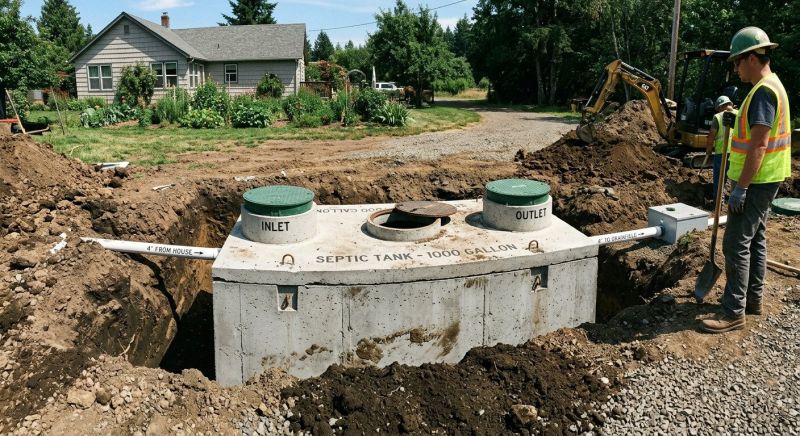
Signs You Need A New Septic Tank
Any persistent backups, odors, or pooling around the drain field may indicate the need for replacement.
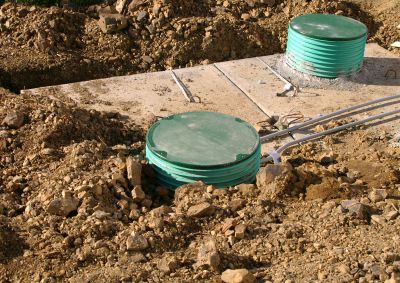
Preparing For Septic System Upgrades
Proper planning and installation help maintain functionality and compliance with local regulations in denver and nearby areas.
Septic Tank Replacement in Denver, CO

Septic tank replacement services involve removing an existing septic system and installing a new tank to ensure proper wastewater management for residential properties. This service is typically sought when a septic tank has failed, become damaged, or is no longer functioning efficiently due to age or environmental factors. Projects can include replacing tanks of various sizes, upgrading to newer models, or installing systems suited for expanded property use. Homeowners often want to understand the scope of work involved, the types of tanks available, and the potential impact on their property during installation.
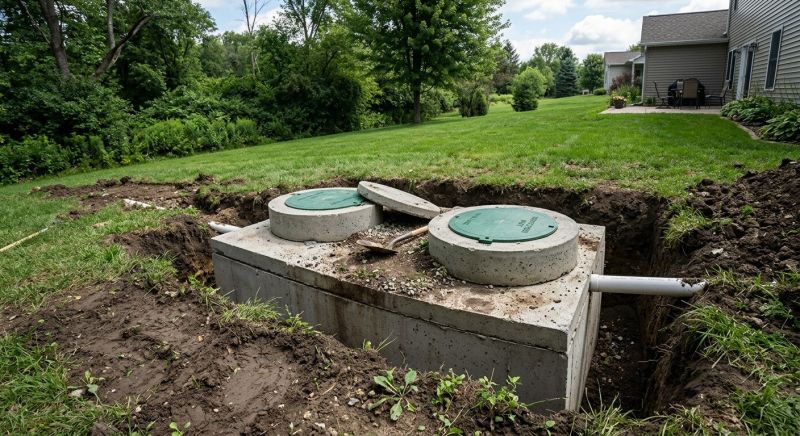
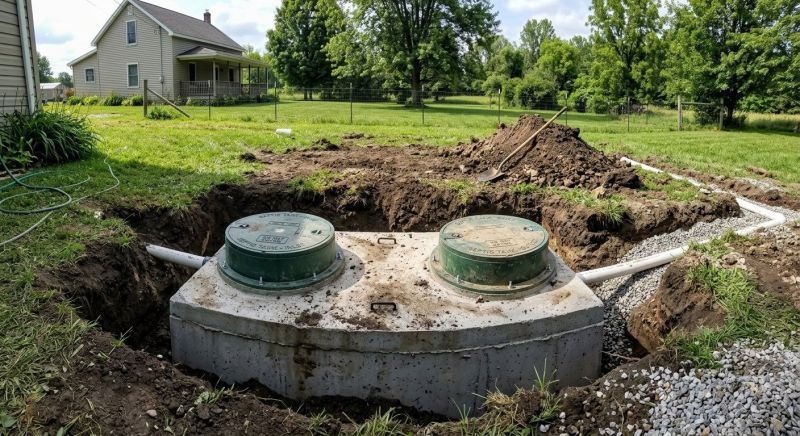
Before requesting septic tank replacement, property owners usually seek information about the condition of their current system, including signs of failure such as backups, odors, or standing water. They may also inquire about the permitting process, excavation requirements, and the overall timeline for installation. Understanding the differences between tank materials, such as concrete, plastic, or fiberglass, and how each suits their property’s needs can help in making informed decisions. Proper planning and knowledge about the project scope can ensure a smooth replacement process that aligns with property requirements.
Many property owners in Denver, CO look into Septic Tank Replacement for repairs, replacements, upgrades, and appearance-related improvements.
Common Septic Tank Replacement Jobs
Septic Tank Replacement - involves removing an old tank and installing a new system to ensure proper waste management.
Septic Tank Upgrades - improves system capacity and efficiency to meet changing household needs.
Septic System Removal - safely eliminates outdated or damaged tanks that are no longer functional.
Septic Tank Installation - includes setting up a new tank tailored to property size and usage requirements.
Septic System Renovation - updates existing systems to meet current regulations and performance standards.
Septic Tank Decommissioning - properly seals and closes old tanks to prevent leaks and environmental hazards.
Septic Tank Replacement Questions
What signs indicate a septic tank needs replacement? Signs include persistent odors, slow drains, sewage backups, or standing water around the tank area.
How often should a septic tank be replaced? Replacement is typically considered when the tank is beyond repair, usually after several decades of service or if frequent repairs are needed.
What types of septic tanks are available for replacement? Common options include concrete, plastic, or fiberglass tanks, chosen based on property needs and soil conditions.
What should property owners know before replacing a septic tank? Proper planning involves understanding local regulations, site assessment, and ensuring proper installation to prevent future issues.
Request Septic Tank Replacement in Denver, CO
Use the quote form on this page to share the basics of your project and request more information for the type of work you need.