
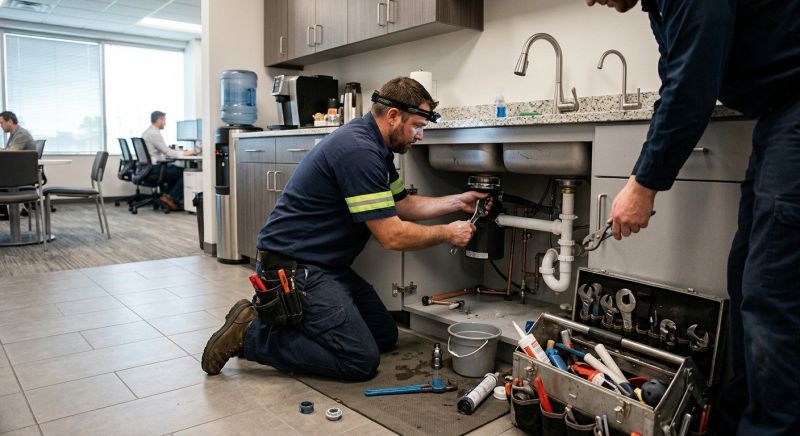
Restaurant Plumbing in Denver, CO
Restaurant plumbing services encompass a wide range of projects essential to maintaining efficient and reliable water and waste systems in commercial dining establishments. These services typically include installation, repair, and maintenance of sinks, dishwashers, beverage stations, grease traps, and drain lines. Property owners often seek assistance with issues such as clogged or leaking pipes, faulty fixtures, or upgrades to meet health and safety standards. Understanding the scope of work and the specific plumbing components involved can help owners plan for repairs or improvements that minimize downtime and ensure smooth operation.
Before requesting restaurant plumbing services, property owners usually want to clarify the nature of the project, including the existing plumbing setup and any code requirements that may apply. It’s helpful to identify whether the work involves routine maintenance, emergency repairs, or new installations. Additionally, knowing the extent of the plumbing system and any potential disruptions can facilitate more accurate planning and ensure that the project aligns with the operational needs of the establishment. Proper communication about these details can lead to more efficient service and successful outcomes.
Many property owners in Denver, CO look into Restaurant Plumbing for repairs, replacements, upgrades, and appearance-related improvements.
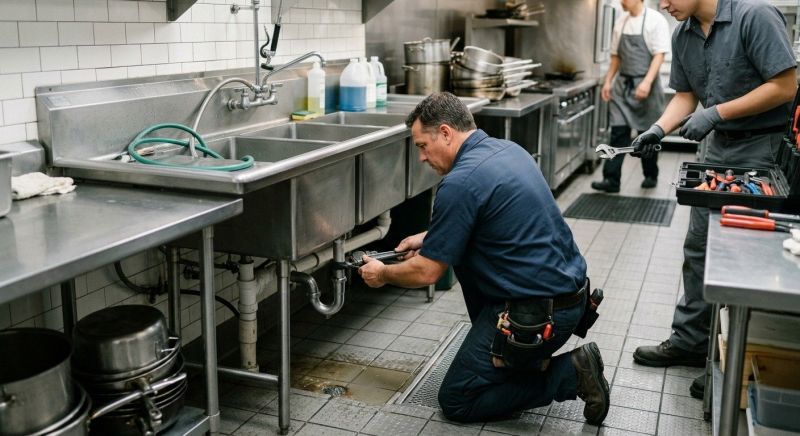
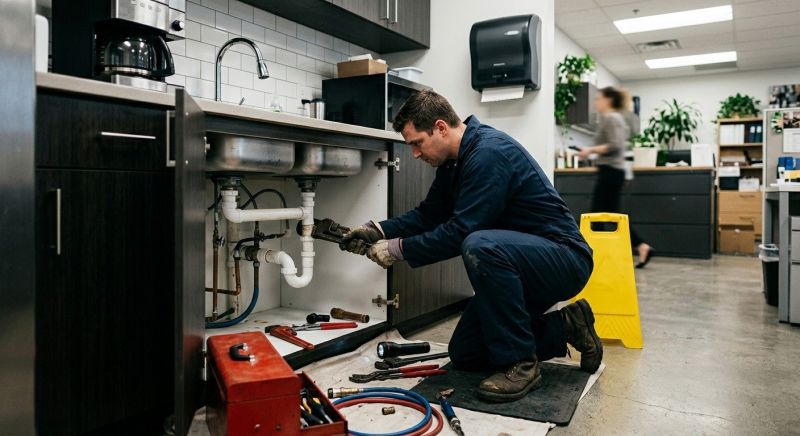
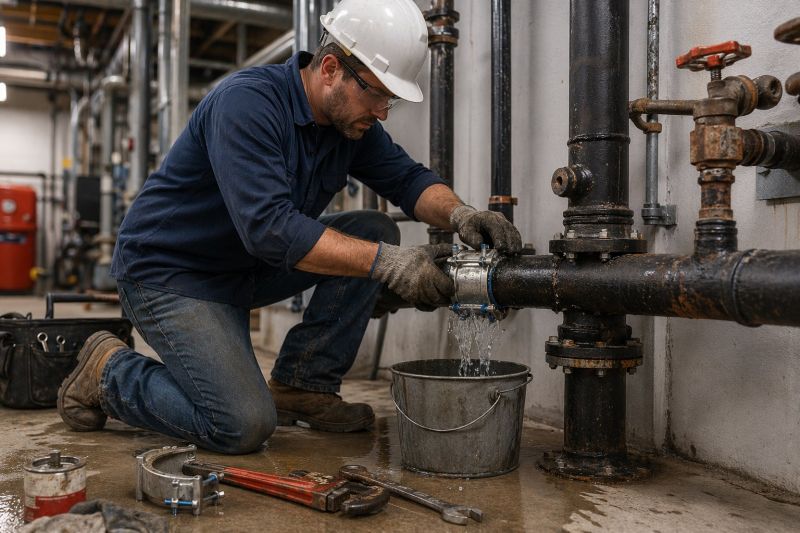
Emergency Leak Repairs
Quick response to burst pipes and sudden leaks to prevent water damage.
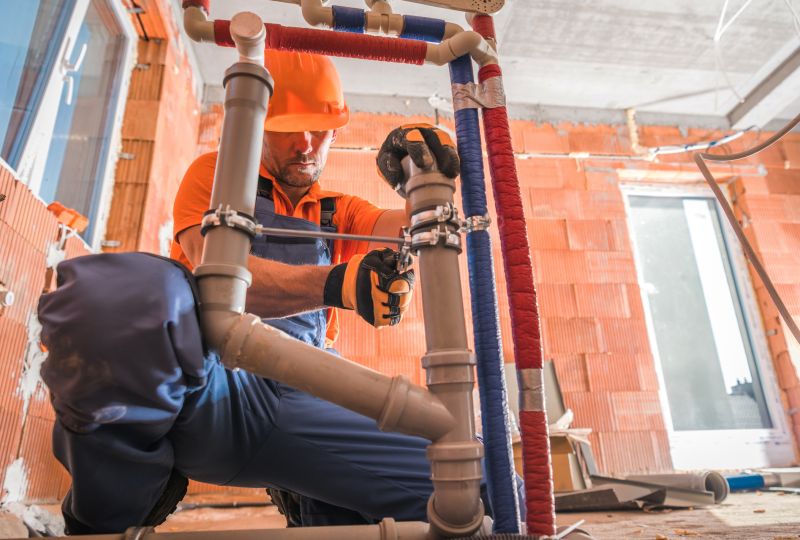
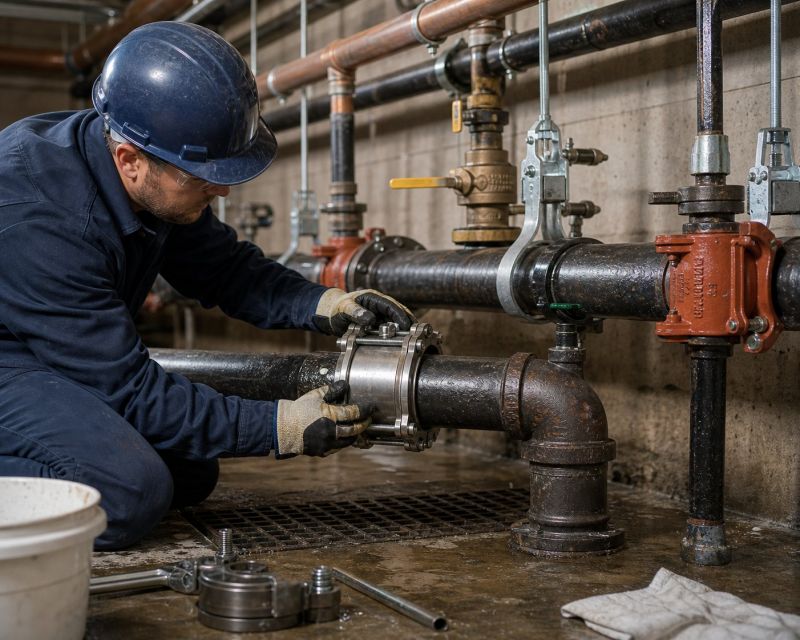
Drain And Sewer Services
Clearing clogs and maintaining sewer lines for smooth drainage in busy kitchens.
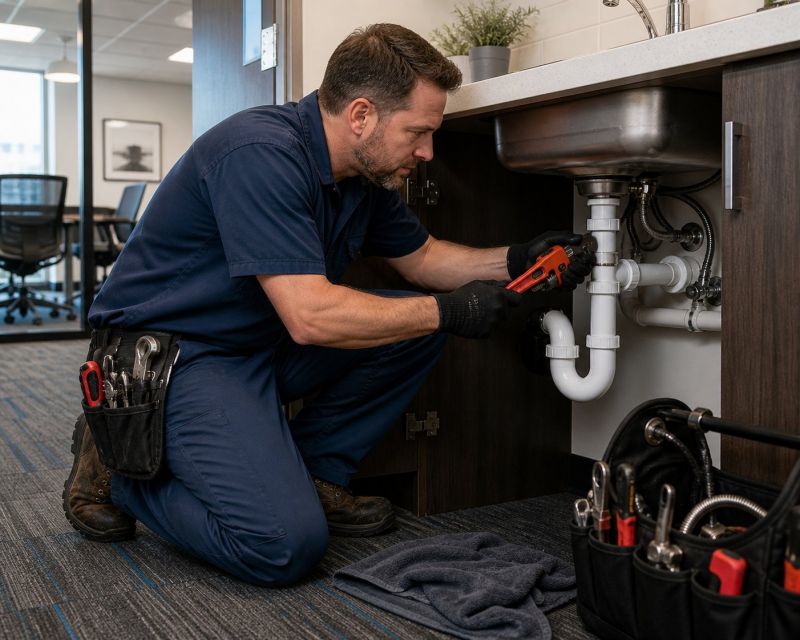
Fixture Installation And Replacement
Upgrading sinks, faucets, and dishwashers to improve functionality and efficiency.
Restaurant Plumbing in Denver, CO

Restaurant plumbing services encompass a wide range of projects essential to maintaining efficient and reliable water and waste systems in commercial dining establishments. These services typically include installation, repair, and maintenance of sinks, dishwashers, beverage stations, grease traps, and drain lines. Property owners often seek assistance with issues such as clogged or leaking pipes, faulty fixtures, or upgrades to meet health and safety standards. Understanding the scope of work and the specific plumbing components involved can help owners plan for repairs or improvements that minimize downtime and ensure smooth operation.
Before requesting restaurant plumbing services, property owners usually want to clarify the nature of the project, including the existing plumbing setup and any code requirements that may apply. It’s helpful to identify whether the work involves routine maintenance, emergency repairs, or new installations. Additionally, knowing the extent of the plumbing system and any potential disruptions can facilitate more accurate planning and ensure that the project aligns with the operational needs of the establishment. Proper communication about these details can lead to more efficient service and successful outcomes.
Many property owners in Denver, CO look into Restaurant Plumbing for repairs, replacements, upgrades, and appearance-related improvements.
Common Restaurant Plumbing Jobs
Leak detection and repair - identifying and fixing hidden or visible leaks in plumbing systems.
Drain cleaning services - clearing clogs and ensuring smooth flow in sinks, toilets, and main lines.
Fixture installation - replacing or upgrading sinks, faucets, toilets, and other plumbing fixtures.
Pipe repair and replacement - fixing damaged or corroded pipes to prevent water damage and improve system performance.
Water heater services - installing, repairing, or maintaining water heating units for reliable hot water supply.
Emergency plumbing services - addressing urgent plumbing issues to minimize property damage and inconvenience.
Restaurant Plumbing Questions
What are common signs of a plumbing issue in a restaurant? Signs include slow drains, foul odors, water leaks, or unusual noises from pipes.
Can restaurant plumbing be upgraded for better efficiency? Yes, upgrades like low-flow fixtures and modern piping can improve water usage and reduce waste.
What types of plumbing repairs are typically needed in restaurants? Repairs often involve fixing leaks, replacing damaged pipes, clearing clogs, and servicing grease traps.
Why is regular maintenance important for restaurant plumbing? Regular maintenance helps prevent costly emergencies, ensures compliance, and maintains smooth operations.
Request Restaurant Plumbing in Denver, CO
Use the quote form on this page to share the basics of your project and request more information for the type of work you need.