
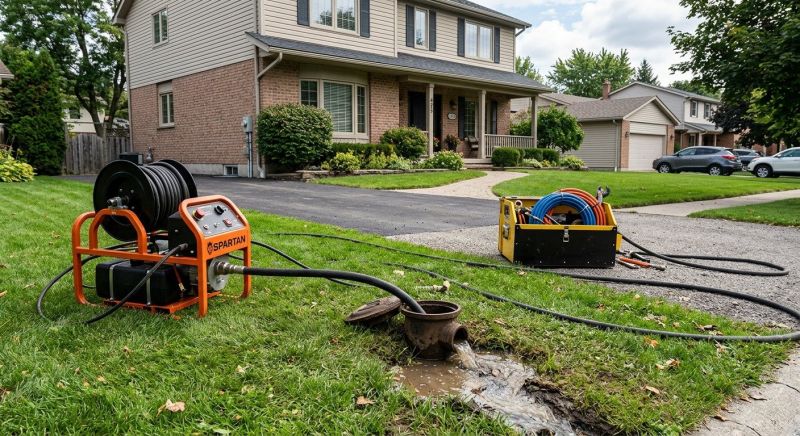
Sewer Line Cleaning in Kansas City, MO
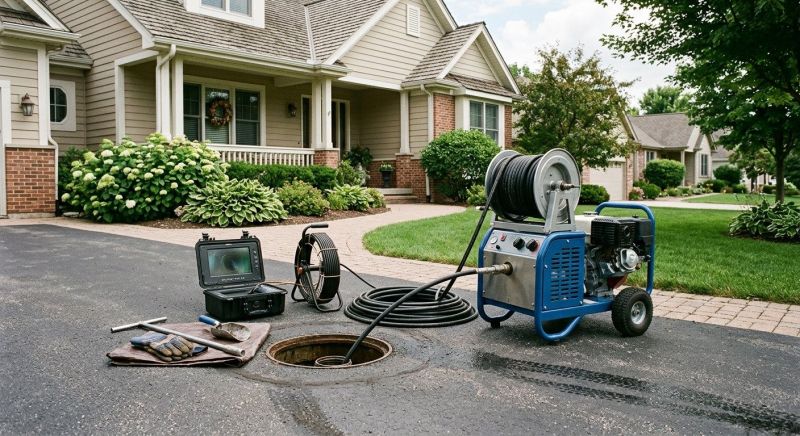
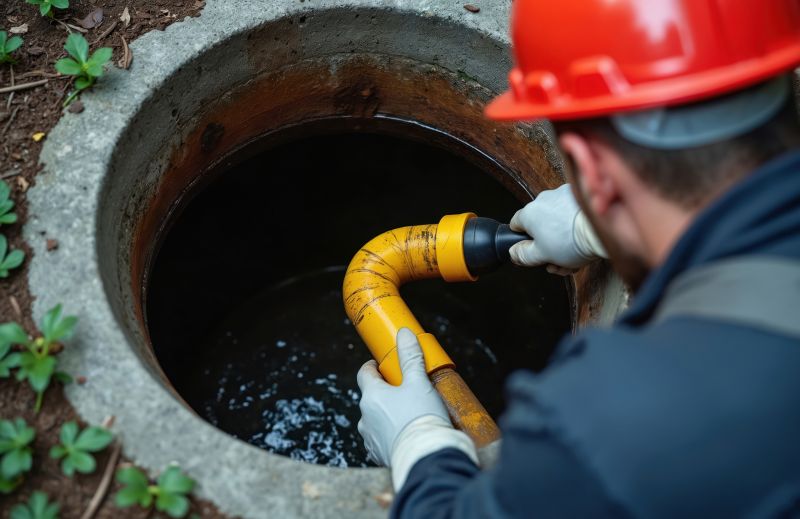
Sewer line cleaning services involve the removal of blockages, buildup, and debris from the main sewer lines that connect a property to the municipal system. This service is often needed when homeowners experience slow drains, foul odors, or backups in sinks, toilets, or other plumbing fixtures. Projects can range from routine maintenance to clearing stubborn clogs caused by grease, tree roots, or accumulated waste, ensuring the sewer system functions properly and preventing more serious plumbing issues.
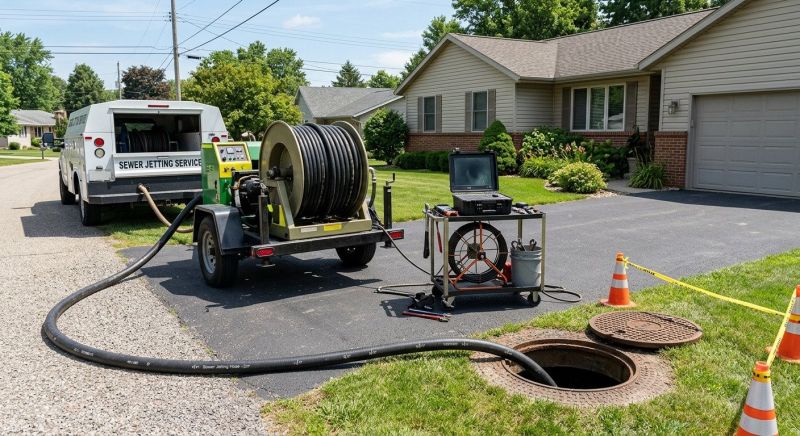
Before requesting sewer line cleaning, property owners typically want to understand the scope of the service and what conditions may require intervention. It’s helpful to know if there are signs of recurring backups, unusual odors, or persistent drainage problems. Additionally, understanding the methods used to clean the lines-such as hydro jetting or mechanical augering-can provide clarity on how the process will be carried out and what to expect during the service. Proper awareness can assist in planning and maintaining a healthy plumbing system.
Many property owners in Kansas City, MO look into Sewer Line Cleaning for repairs, replacements, upgrades, and appearance-related improvements.
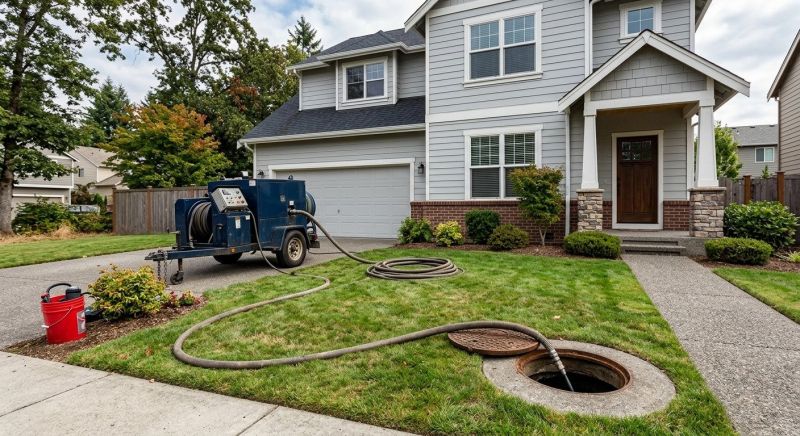
Common Blockages
Sewer line cleaning helps remove buildup of grease, debris, and tree roots that can cause backups.
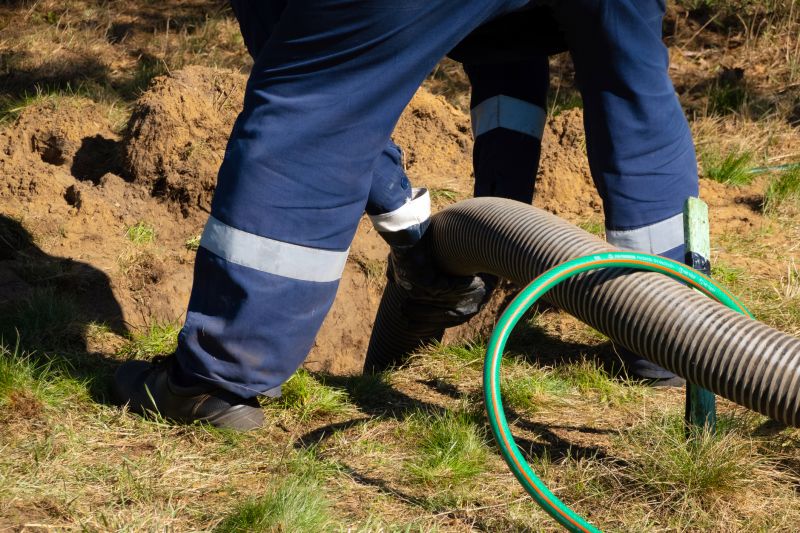
Maintenance Benefits
Regular sewer line cleaning can prevent costly repairs and keep drains flowing smoothly in kansas city homes.
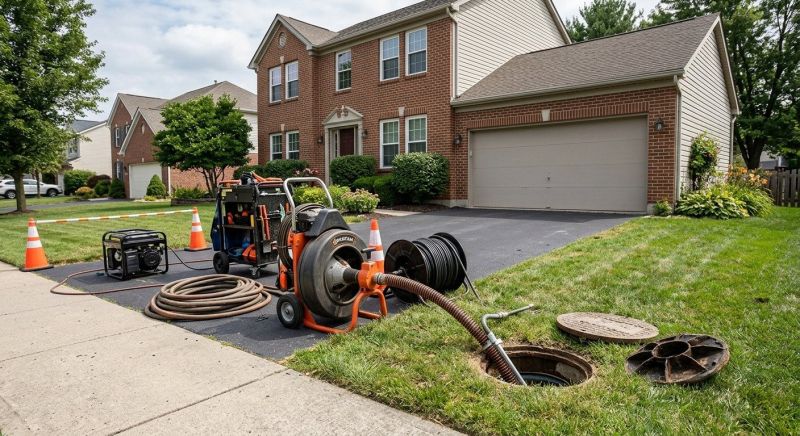
Signs Of Trouble
Slow drains, gurgling sounds, or foul odors may indicate a sewer line blockage that needs professional attention.
Sewer Line Cleaning in Kansas City, MO

Sewer line cleaning services involve the removal of blockages, buildup, and debris from the main sewer lines that connect a property to the municipal system. This service is often needed when homeowners experience slow drains, foul odors, or backups in sinks, toilets, or other plumbing fixtures. Projects can range from routine maintenance to clearing stubborn clogs caused by grease, tree roots, or accumulated waste, ensuring the sewer system functions properly and preventing more serious plumbing issues.
Before requesting sewer line cleaning, property owners typically want to understand the scope of the service and what conditions may require intervention. It’s helpful to know if there are signs of recurring backups, unusual odors, or persistent drainage problems. Additionally, understanding the methods used to clean the lines-such as hydro jetting or mechanical augering-can provide clarity on how the process will be carried out and what to expect during the service. Proper awareness can assist in planning and maintaining a healthy plumbing system.
Many property owners in Kansas City, MO look into Sewer Line Cleaning for repairs, replacements, upgrades, and appearance-related improvements.
Common Sewer Line Cleaning Jobs
Residential sewer line cleaning - removes blockages and buildup to ensure smooth flow.
Emergency sewer clearing - addresses sudden backups that disrupt property use.
Routine sewer maintenance - prevents potential clogs and reduces the risk of backups.
Drain line flushing - clears debris and grease from sewer lines for optimal operation.
Main sewer line cleaning - targets the primary line to prevent widespread drainage issues.
Commercial sewer line services - maintains large-scale plumbing systems in business properties.
Sewer Line Cleaning Questions
What is sewer line cleaning? Sewer line cleaning involves removing blockages and buildup to ensure proper flow in the main sewer line.
When should sewer lines be cleaned? Signs like slow drains, gurgling sounds, or foul odors may indicate the need for cleaning.
What methods are used for sewer line cleaning? Common methods include hydro jetting and snaking to clear obstructions effectively.
Is sewer line cleaning necessary for property maintenance? Regular cleaning can prevent backups and costly repairs, maintaining proper drainage system function.
Request Sewer Line Cleaning in Kansas City, MO
Use the quote form on this page to share the basics of your project and request more information for the type of work you need.